Author: Dr. Om Dhingra

  • Are there differences in bad health effects of sugar and high fructose corn syrup (HFCS)?

    Are there differences in bad health effects of sugar and high fructose corn syrup (HFCS)?

    Lately there has been lot of talk about switching the sweetener in soft drinks from high fructose corn syrup to cane sugar. As I explained in one of my earlier posts that all sugars are “empty” calories with bad health effects. So why there is so much fuss about HFCS? Let’s first understand at a molecular level, what the differences are between sugar and HFCS. Sugar is extracted from cane sugar or sugar beets. Sugar is a combination of one glucose and one fructose molecule. When we add it to drinks or use in cooking, it is digested in our mouth and intestine to glucose and fructose. Glucose and fructose are absorbed and enter our body via liver. Glucose is the main energy source our body uses. Fructose is mostly converted to fat in our liver.
    The HFCS was introduced by the food industry as a sweetener in 1980s. It is made from corn starch (a long chain of glucose molecules tied together) by using enzymes and results in HFCS containing different levels of glucose and fructose. According to Food and Drug Administration, HFCS 42 (42% fructose and 58% glucose) is primarily used in processed foods, whereas HFCS 55 (55% fructose and 45% glucose) is often found in sodas. Fructose is two times sweeter than sugar. In contrast to sugar, HFCS does not require our body to digest it as it has already been digested by enzymes during the manufacturing process. It comes as liquid containing 24% water, is cheaper than sugar and is easy to use in the food industry processes.
    What are the bad health effects of over consumption of sugar and high fructose corn syrup (HFCS)?
    One recent National Institutes of Health funded study (https://pmc.ncbi.nlm.nih.gov/articles/PMC8530743/), tested drinks sweetened with HFCS and cane sugar against aspartame-based sodas and found that both the HFCS and cane sugar increased fatty liver disease and decreased insulin sensitivity, a risk factor for Type 2 diabetes, with no significant differences between the two. It is not surprising as HFCS is 45% glucose and 55% fructose vs 50% glucose and 50% fructose for cane sugar. The study was only 16 days long and required subjects to drink 3 cans of a soft drink per day. A 12-ounce can of a soft drink contains 39gm of sugars from HFCS. It is likely that over years, the fatty liver disease may become worse in people on HFCS soda. The bottom line is both sugar and HFCS in high quantities are bad for our health. Fatty liver disease is very prevalent among Indian Americans. The Dietary Guidelines for Americans, 2020–2025, recommends <10% of calories per day from added sugar based on a 2000-calorie daily diet.
    Although fruits contain many useful nutrients in addition to glucose, fructose and sucrose (table sugar), we should avoid over consumption of fruits high in fructose. The Table below gives grams of each sugar in 100gm of each fruit (from Canadian Sugar Institute website)


    Sugar Content in Various Foods (g per 100g)
    Food Glucose Fructose Sucrose
    Tomatoes 1.1 1.4 0
    Sweet Peas 0 0 4.3
    Sweet Corn 0.8 0.6 3.4
    Carrots 1.0 1.0 3.6
    Peaches 1.1 1.3 5.6
    Oranges 2.2 2.5 4.2
    Watermelon 1.6 3.3 3.6
    Pears 1.9 6.4 1.8
    Canned Pears 4.8 5.1 1.1
    Apples 2.3 7.6 3.3
    Mangoes 0.7 2.9 9.9
    Bananas 4.2 2.7 6.5
    Sugar Beets 0 0 18
    Sugar Cane 2.27 0.55 10.03

  • How to minimize your risk of developing diabetes?

    How to minimize your risk of developing diabetes?

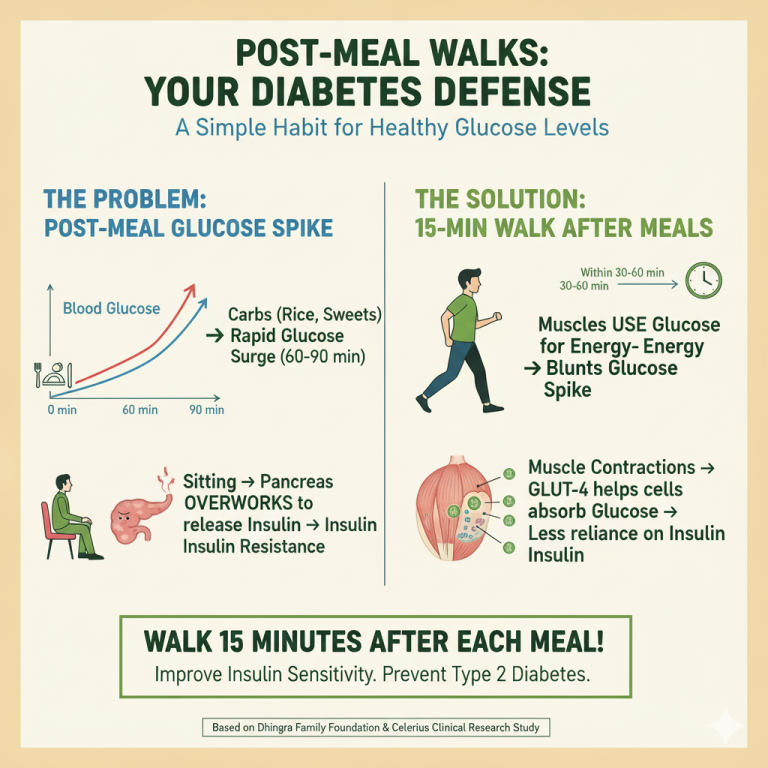
    The Dhingra Family Foundation in collaboration with Celerius Clinical Research just completed an observational study assessing the change in glucose over 24-hour period using continuous glucose monitoring device (CGM) for normal and pre-diabetics 50 Asian Indians. As is well known, and we also observed in our study, there was a sharp rise in glucose after sweets, rice and chapaties/naans – sources of carbohydrates in our meals. One simple habit which can minimize risk of developing diabetes is walking just for 15 minutes after each meal within first 30-60 minutes. Why it is important to walk during this time? Blood glucose levels tend to peak 60 to 90 minutes after eating. Walking during this window is ideal for blunting the post-meal glucose surge. As glucose is going up after eating, our pancreas senses it and starts releasing insulin to help glucose enter each cell. If we just keep sitting after a meal, the pancreas must release enough insulin to bring it to pre-meal level. If we walk or do any other exercise, our muscles use glucose from the blood for energy. This action helps clear excess glucose from our blood after a meal and reduces the magnitude of blood sugar spikes. Muscle contractions during walk or exercise stimulate the movement of a glucose transporter (GLUT-4) to the cell surface. This allows our muscles to absorb more glucose from our blood without relying heavily on insulin. Overtime, regular post-meal walks make our body’s cells more responsive to insulin. This allows the hormone to work more effectively at regulating blood glucose levels and can help combat insulin resistance, a key problem which results in progression to type 2 diabetes.
     
    In our study, we observed that about 30% of the subjects were on their way to developing insulin resistance. By making this slight modification in lifestyle, they can improve their insulin resistance and prevent progression to diabetes.
    Om Dhingra, Ph.D.
  • Why over consumption of refined sugars is bad for our health?

    Why over consumption of refined sugars is bad for our health?

    In my last post I talked about taking a short stroll after meals to reduce glucose spikes which overtime can result in the development of insulin resistance and diabetes. Today my focus is on health effects of refined sugar, such as table sugar, extracted from natural sources like sugarcane or sugar beets. Refined sugars such as table sugar, glucose and fructose are considered “empty calories” because they provide energy in the form of calories but contain little to no essential vitamins, minerals, protein, or fiber. The lack of fiber and other nutrients in refined sugar allows it to be quickly absorbed into the bloodstream. This causes a rapid spike in blood glucose and insulin levels. After rapid blood glucose spike, a crash occurs (lower glucose level), which leads to feelings of fatigue, irritability, and increased hunger resulting in overeating.
     
    Excess consumption of empty calories can lead to a calorie surplus which our liver stores as fat. Our body is designed to store energy for times when food is scarce as was the case during human evolution. Now when food is so abundant, it is critical we control portion size of our meals.
     
    Table sugar contains 50% glucose and 50% fructose. When we eat sugar, our small intestine converts it into glucose and fructose. Glucose is absorbed and then transported to the liver for processing. Once it reaches the liver, the hormone insulin signals liver cells to take up glucose and convert it into glycogen (a large molecule made up of many glucose units) for energy, when needed. Excess glucose that is not stored by the liver passes into the blood to be used for energy by other cells throughout the body. Our body uses glucose as the main source of energy.
     
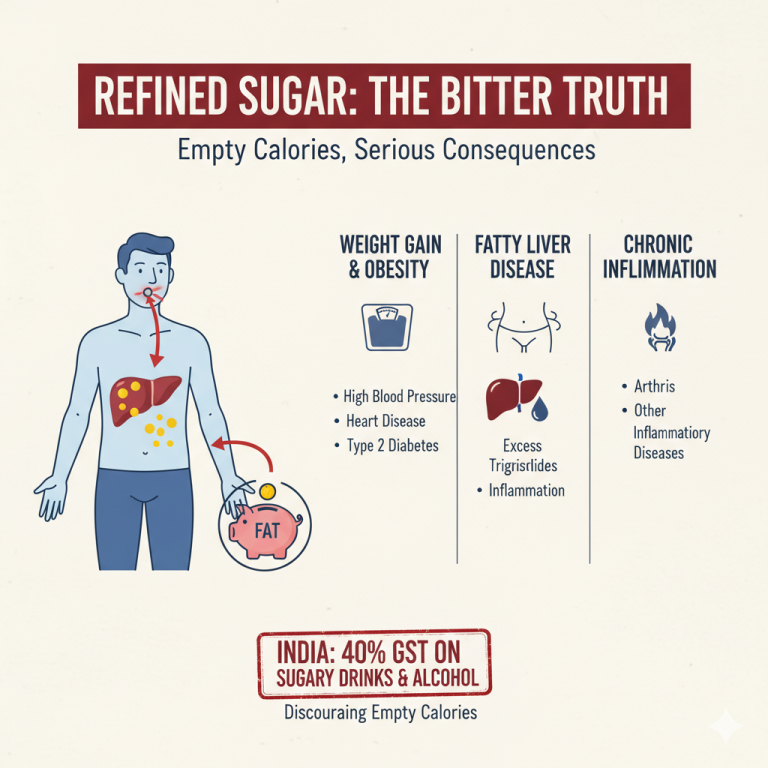
    Fructose is absorbed and metabolized by the small intestine, converting about 90% of it into glucose and other compounds before it reaches the liver. The intestine’s ability to clear fructose can be overwhelmed by high levels, a potential issue with large servings of sugary drinks which contain high fructose corn syrup. Excess fructose can overwhelm the liver and cause it to convert the fructose into fat (triglycerides). This can lead to fatty liver disease.
     
    Overconsumption of refined sugar is bad for our health because it leads to weight gain and obesity, increasing the risk of chronic conditions like high blood pressure, heart disease, type 2 diabetes, and some cancers. It also contributes to fatty liver disease, and chronic inflammation, which can worsen conditions like arthritis and other inflammatory diseases. To discourage the consumption of empty calorie products, India yesterday increased the GST to 40% on sugary drinks and alcohol!
  • Higher Levels of Omega-3 Fatty Acids Linked to Improved Lung Health

    Higher Levels of Omega-3 Fatty Acids Linked to Improved Lung Health

    Higher Levels of Omega-3 Fatty Acids Linked to Improved Lung Health

    Omega-3 fatty acids, nutrients with anti-inflammatory properties that are available as dietary supplements as well as in foods such as fish, might protect against declines in lung health, results from a 2-part study published in the American Journal of Respiratory and Critical Care Medicine (https://www.atsjournals.org/doi/abs/10.1164/rccm.202301-0074OC) have shown. Lungs-HealthHigher levels of omega-3 fatty acids in the bloodstream—particularly the fatty acid docosahexaenoic acid (DHA)—were linked with a slower rate of lung function decline in a longitudinal analysis of data from 15 063 participants. Higher DHA levels were also associated with a lower likelihood of restricted airflow from the lungs. The study’s results highlight the importance of including dietary omega-3 fatty acids, particularly because most people do not meet the current guidelines of consuming at least 2 servings of fish per week, the US National Institutes of Health, which sponsored the study, wrote in a statement.

  • Nature, Nurture and Nutrition

    Nature, Nurture and Nutrition

    Nature, Nurture and Nutrition

    Human body is the most advanced and amazing life form that nature has made after evolution of millions of years. Our body is a never ending, still adopting to environmental changes happening at such a faster pace vs the evolution time scale. The more we think we understand it after all the scientific advances in clinical science, biology, chemistry, biochemistry, metabolism, nutrient absorption, microbiome – the more mysteries we find, which is a never-ending quest. The sequencing of the human genome has expedited scientific research on increasing our understanding of how when 99.9% of DNA of all human beings is same, changes in just 0.1% of DNA explains all the differences we see between humans.


    We have got 23 pairs of chromosomes. Each pair is made by one chromosome from both parents. We have got 46 such entities in each cell of our body. Our body has got around 37 trillion cells and all of them have exactly same DNA, but cells in different body parts differ a lot in function and look. What differs in DNA, even within cells is the gene-expression. Different type of cells in our body have different gene expression. Gene expression of every human being, even identical twins, is different which not only changes their appearance but also their growth, behavior, thinking, health and intellectual capabilities.
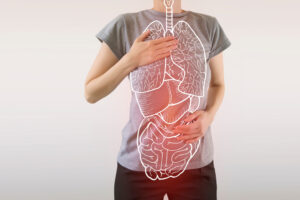
     

    Human OrgansNature refers largely to our genetics. It includes the genes we are born with and other hereditary factors that can impact how our personality is formed and influence the way that we develop from childhood through adulthood. Nurture encompasses the environmental factors that impact who we are. This includes our upbringing, the people we interact with, and our surrounding culture. Nutrition refers to the food we eat and how it affects our health and well-being. Food we eat can be divided into six groups: carbohydrates, lipids, proteins, vitamins, minerals, and water. Nutrients our body absorbs from the food serve three purposes: Energy sources (carbohydrates, lipids, and proteins), Structural elements (proteins, minerals, and water), and regulatory elements (minerals, vitamins, and water). Ever since blue zones across the world have been identified where percentage of people living over 100 is high, interest in understanding factors in each blue zone to extend the health span and lifespan  has intensified.


    Epigenetics is an emerging new area of scientific research that shows how environmental influences actually affect the expression of the genes. For example, features of a person’s physical and social environment can effect which genes are switched-on, or “expressed”, rather than the DNA sequence of the genes themselves.


    Stressors and memories can be passed through small RNA molecules to multiple generations of offspring in ways that meaningfully affect their health and behavior. Epigenetic effects can sometimes be passed from one generation to the next, although the effects only seem to last for a few generations. It is for this reason family history of any disease increases the probability of the next generation facing the same health challenges.


    The role of nutrition on healthy life and age-related disease is widely accepted, yet we are far from a consensus on what type of nutrition affects our health span and lifespan. Fortunately, the nutrition response mechanisms affecting health and lifespan are quite well conserved in all species ranging from simple organisms to rodents to humans, making it possible to take advantage of both basic science and human studies to identify the type and levels of macronutrients and nutrition patterns that will be effective in regulating health, well-being and aging in most individuals. Soon, genomic analysis aided by artificial intelligence, will allow an even more sophisticated personalization of nutritional therapies.


    It is now well established that diets that result in obesity can cause major increases in insulin resistance and the risk for diabetes, cancer, and neurodegenerative disease in humans. Latest scientific research is focusing on how macronutrient composition, levels, and source affect biomarkers and risk factors for aging and age-related diseases in humans. Our understanding of how biology interacts with the cultural aspects and the personal choices people make in their life’s journey is helping us develop better habits to live a healthy life.


    Life on planet earth consists of atoms and molecules. Atoms are the smallest stable units of matter. They can combine to form molecules with complex shapes. The atomic components and unique three-dimensional shape of a particular molecule determine its function. Molecules play an essential role in the functioning of every cell, tissues and organs in our body including cellular respiration. Through this process, energy from food is converted into a form of chemical energy cells can use. About 99% of the mass of the human body is made up of six elements: oxygen, carbon, hydrogen, nitrogen, calcium, and phosphorus. Only about 0.85% is composed of another five elements: potassium, sulfur, sodium, chlorine, and magnesium. Remaining 0.15% consists of other trace metals. Of the 92 natural elements in the periodic table (https://www.ptable.com/), about 25 are essential for life. A typical cell within us is made of trillions of atoms. Every moment within each of our cells, hundreds of millions of molecules are entering and exiting out of membranes. Thousands of genes are being locked and unlocked. The food we eat is digested in the GI track and absorbed by our body to provide raw materials of carbohydrates, amino acids from proteins, fatty acids from lipids, minerals, vitamins and water via the blood to each cell in our body. Each cell in our body is a continuous manufacturing system controlling its own maintenance, reproduction and death. We are composed of around 37 trillion cells – more cells than there are stars in the milky way. Our brain manages all the communication within as well as between all cells constituting different tissues and organs. Can we ever build a computer to match our brain? The greatest challenge of all is to explain how our consciousness, spirituality, language, thought and emotions emerge from our atoms, molecules and cells. Will science ever offer an answer? Advances in development of new tools and assays using artificial intelligence will hopefully help in further enhancing our understanding of the human body as well as levels of various biomarkers of early disease detection and prevention in the coming decades.


    Dr. Om Dhingra,

    President Dhingra Family Foundation.

  • Yashpal Sharma as a chief guest at the Diploma distribution ceremony

    Yashpal Sharma as a chief guest at the Diploma distribution ceremony

    Yashpal Sharma as a chief guest at the Diploma distribution ceremony

    Diploma distribution ceremony of Dhingra Family Foundation

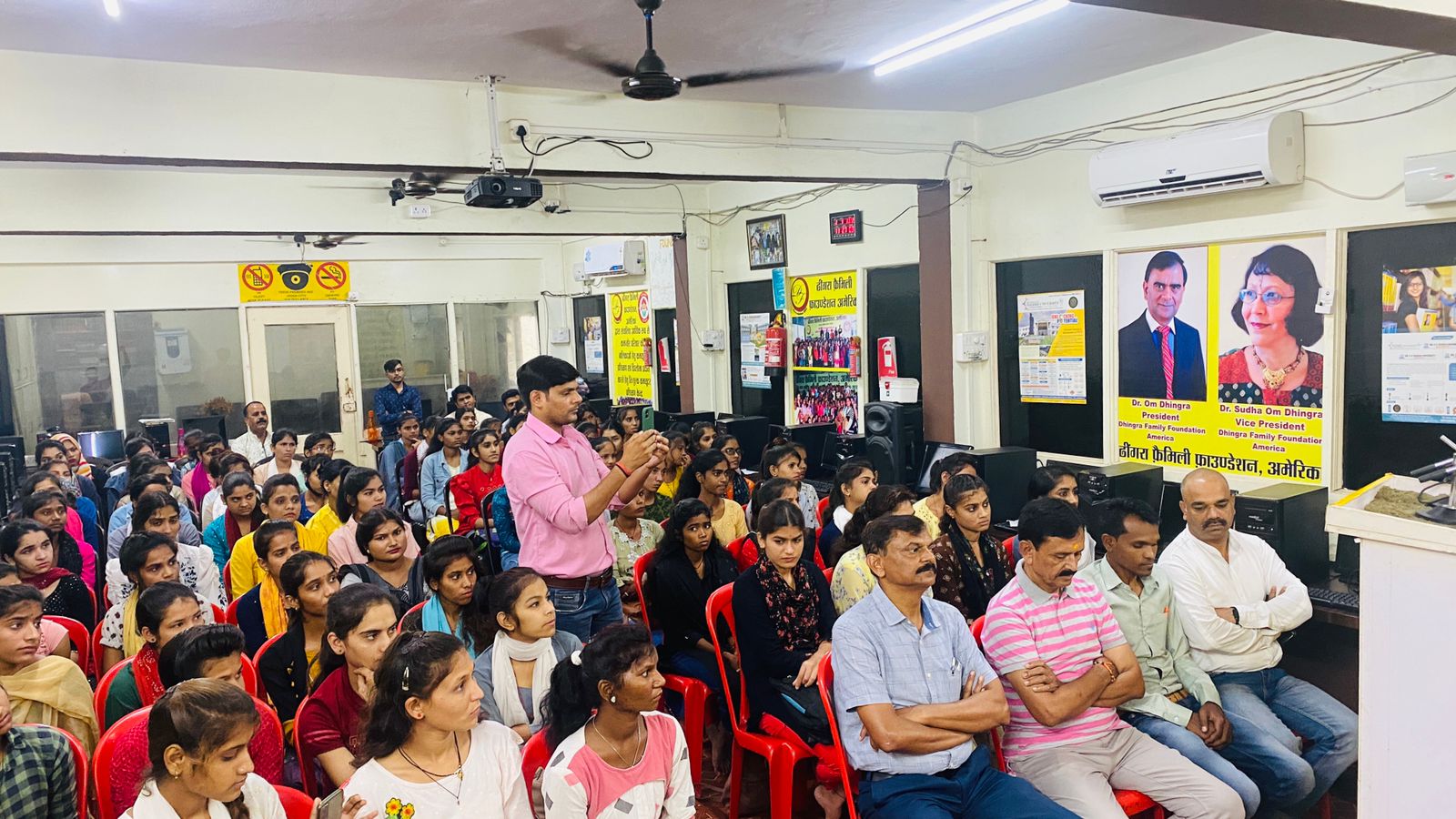
    Actor Yashpal Sharma was invited as the chief guest at the Diploma distribution ceremony of girls who completed year 2021-22 training at the Free Computer Training Center for Girls by Dhingra Family Foundation, USA. In addition to Yashpal Sharma, other invited guests social worker Akhilesh Rai, Mahamandleshwar Ajay Purohit and Diet Principal Anita Bhalerao also spoke at the event and encouraged all girls to use the computer training as a spring board to reach new heights in their lives.


    400 girls were given diploma at the ceremony event. At the beginning of the program, India’s coordinator and writer Pankaj Subeer of Dhingra Family Foundation introduced all the guests and talked about the purposes of the Dhingra Family Foundation. The program was conducted by Sunil Bhalerao. Anil Paliwal, Kailash Agarwal, Umesh Sharma, Hitendra Goswami, Ashok Rai, Rajesh Chandak, Rajkumar Rai, Surendra Thakur, Akash Mathur, Shaharyar Khan, Sunny Goswami , Shivam Goswami and Sunil Perwal were also present on the occasion.

  • Rekha Bhatia At computer training center in Ashta of Dhingra Family Foundation

    Rekha Bhatia At computer training center in Ashta of Dhingra Family Foundation

    Rekha Bhatia At Our Foundation As Chief Guest

    Chief Guest, poet of Charlotte City of America, writer Rekha Bhatia distributed certificates to financially weak girls at the ongoing computer training center in Ashta of Dhingra Family Foundation. Rekha Bhatia is in Sihor nowadays. Rekha ji’s two poetry collection “Crossing the borders under the shadow of trees” and “Words wet from the river of mind” have been published on Shivna publication.

  • The launching ceremony of Free Computer Training Center for Girls At Sehore

    The launching ceremony of Free Computer Training Center for Girls At Sehore

    The launching ceremony of Free Computer Training Center for Girls At Sehore

    The launching ceremony of the session 2022-23 at the ‘Free Computer Training Center for Girls’ was held from September 1-3, 2022, with hundreds of girls from three batches in attendance.


        First September guests were –

    • Pandit Ajay Purohit (Mahamandleshwar)
    • Mr. Akhilesh ji Roy (Managing Director, Crescent Group)
    • Mrs. Namita Ji Rai (Social Worker)

        September 2nd guests were –

    • Mr. Sandeep Srivastava (Chief Municipal Officer, Sihore)
    • Dr. Anita Badgurjar Bhalerao ( Principal-Diet )

         September 3rd guests were –

    • Mr. Manu Vyas (Public Superintendent of Police, Bhopal)
    • Dr. Vijay Saxena (Director, Smart City Hospital)
    • Mrs. Rashmi Vyas (Social Worker)
  • Award Ceremony-Dhingra Family Foundation felicitation ceremony at Bhopal

    Award Ceremony-Dhingra Family Foundation felicitation ceremony at Bhopal

    Award Ceremony At Sehore

    • Dhingra Family Foundation felicitation ceremony was held at Minto Hall (Old Assembly Bhavan), Bhopal on Thursday 28th April, 2022 for the free computer training center for financially weak family girls in Sehore, Madhya Pradesh. “Entrepreneur Of The Year – Role Of Social Entrepreneurship In Making Atmanirbhar Bharat” award was presented to the Dhingra Family Foundation. Shri Sunny Goswami, the training in charge of the center, accepted the award for the Dhingra Family Foundation. The award was given by Mr. G.N. Agrawal, President of Madhya Pradesh State Skill Development and Employment Generation Board, Vice Chancellor of ISECT Group of Universities, Mr. Santosh Chaubey and Additional Director of Madhya Pradesh Skill Development Board.